Peter Marino and the Art of Architectural Drama
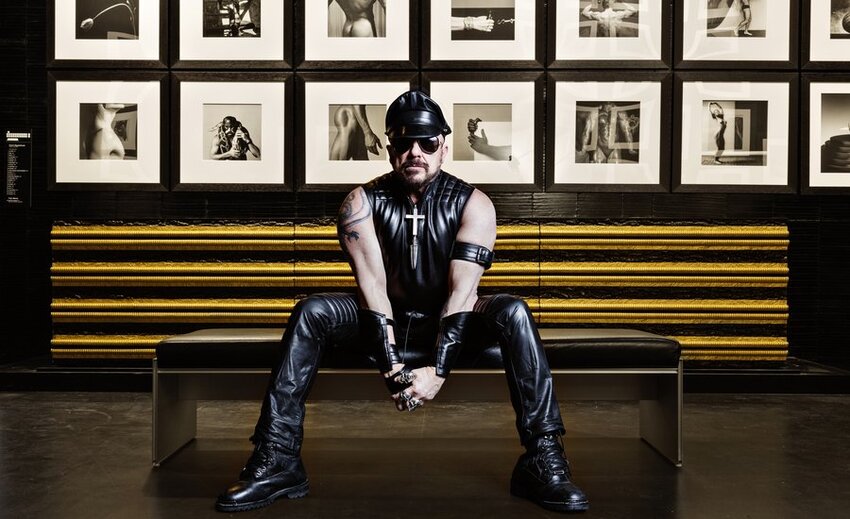
Few figures in contemporary design command attention quite like Peter Marino. His work exists in a space where architecture becomes theater and luxury acquires a physical form. Moving between fashion houses, cultural institutions, and private residences, Marino has developed a visual language that is unmistakably his own, one that balances precision with provocation. In an era often captivated by minimal restraint, he has remained committed to richness, texture, and emotional impact.
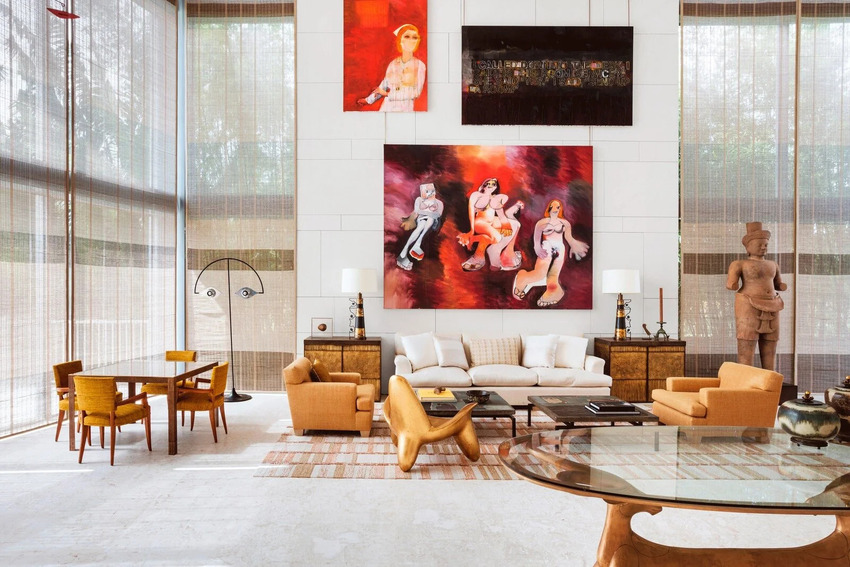
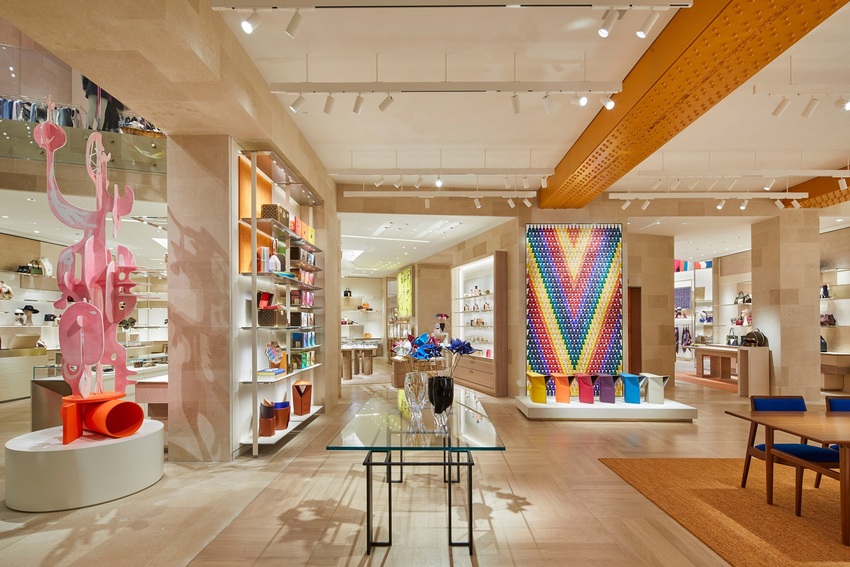
What makes Marino particularly fascinating is his understanding of space as an experience rather than a structure. His interiors unfold with a cinematic rhythm, guiding the eye through sequences of materials, light, and art. Marble, bronze, leather, and glass are treated not merely as finishes but as characters within a larger narrative. Each room feels carefully orchestrated, yet never rigid, allowing visitors to discover new details with every glance.
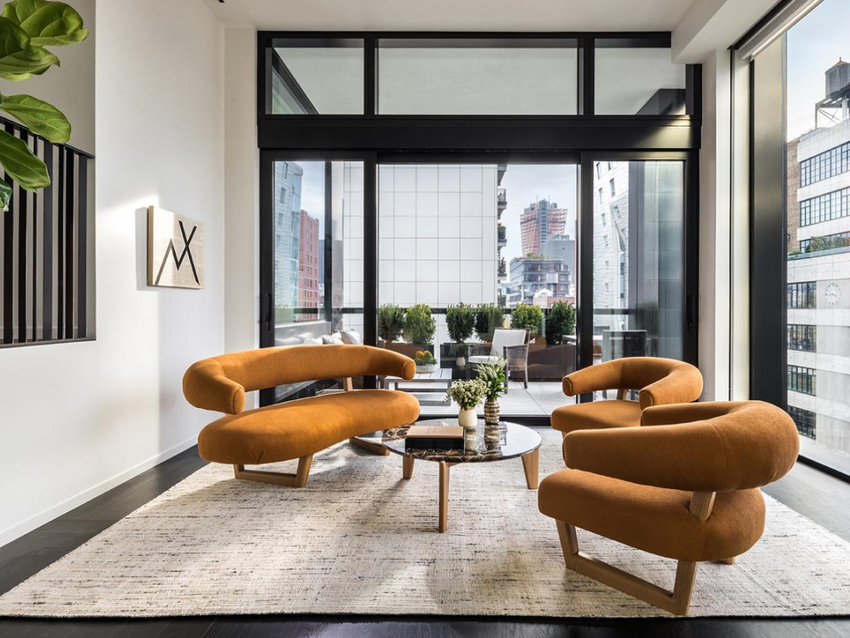
His long standing relationship with the fashion world has elevated retail architecture into a cultural statement. Rather than creating neutral environments for products, Marino crafts destinations that reflect the identity and aspirations of the brands he serves. The result is a dialogue between commerce and creativity where architecture becomes part of the story customers carry with them long after leaving the space.
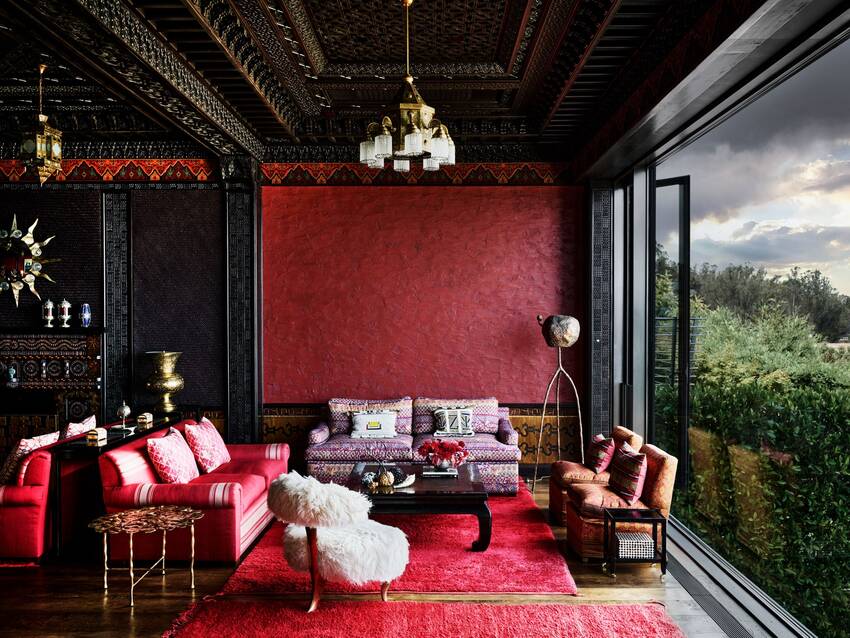
Equally compelling is Marino’s role as a collector and patron of contemporary art. Art is not an accessory within his projects but a fundamental element of their character. Sculptures, paintings, and installations often occupy central positions, creating moments of surprise and contemplation. This integration reveals a designer who understands that great interiors are enriched by the tension between function and imagination.
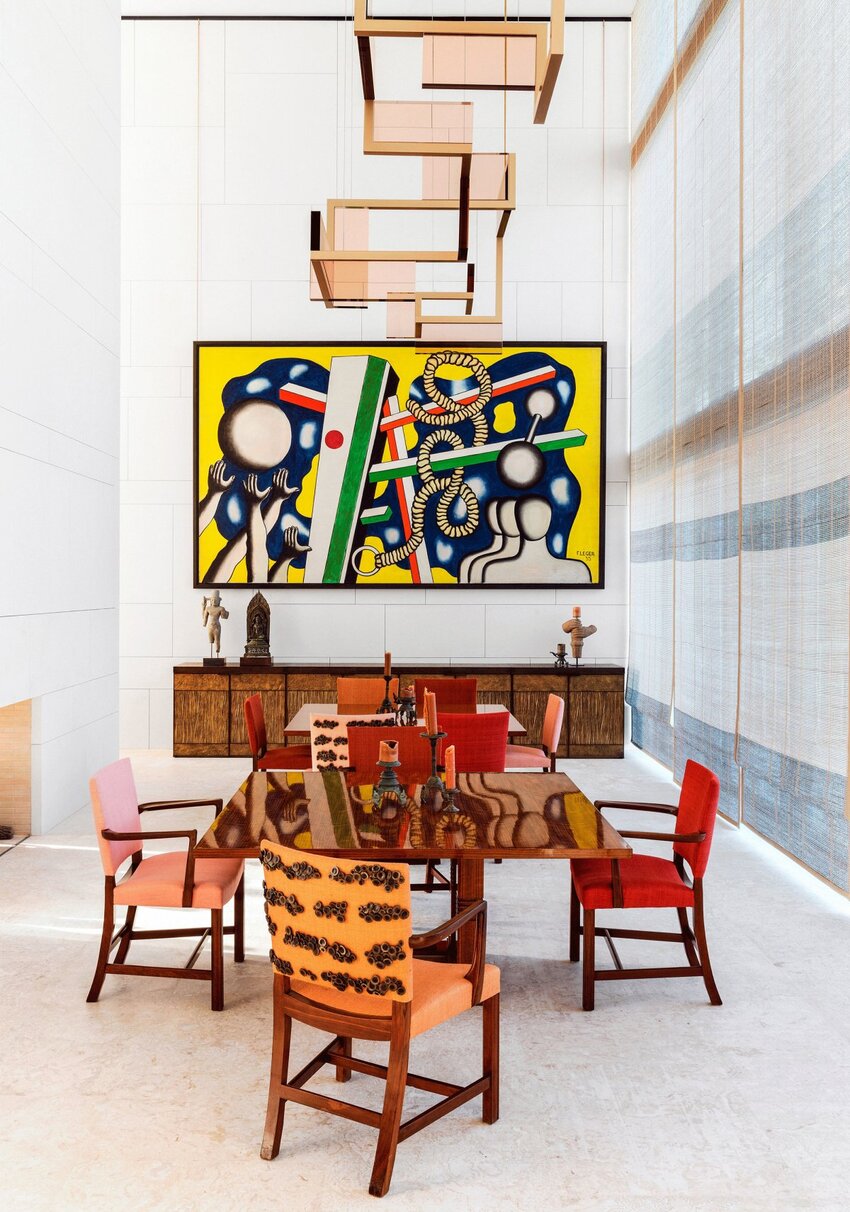
Beyond the polished surfaces and monumental spaces lies a willingness to challenge convention. Marino’s personal style, often as discussed as his architecture, reflects the same confidence and individuality found in his work. He has cultivated an identity that resists categorization, demonstrating that creative leadership frequently emerges from those willing to embrace contradiction rather than avoid it.
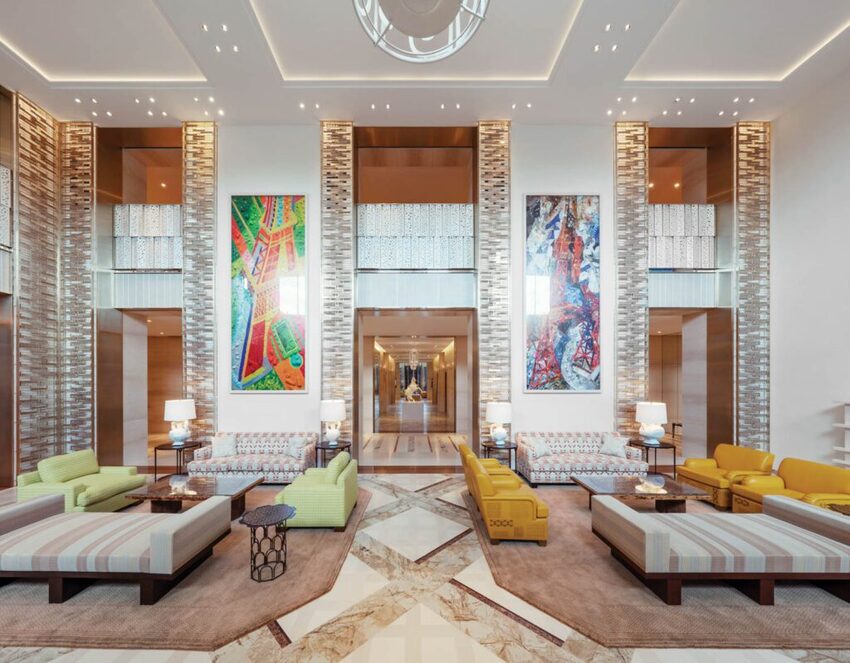
Peter Marino’s enduring influence stems from his refusal to separate luxury from artistic expression. His projects remind us that architecture can be both practical and deeply emotional, capable of shaping how people feel, move, and remember. In a design landscape that constantly shifts between trends, Marino remains a singular presence, creating environments that leave a lasting impression through their boldness, sophistication, and sense of wonder.
//

Comments
Post a Comment